
Exploring the cultural roots and significance of gambling in modern society
The Historical Evolution of Gambling
Gambling has a rich history that dates back thousands of years, with evidence of wagering found in ancient civilizations such as China, Rome, and Greece. These societies used games of chance for entertainment and even as a means to predict the future. Over time, gambling transitioned from sacred rituals to popular entertainment, reflecting shifts in cultural values and economic structures. For example, many users now turn to platforms like casino not on gamstop as they seek alternatives that allow for greater flexibility and diverse gaming experiences.
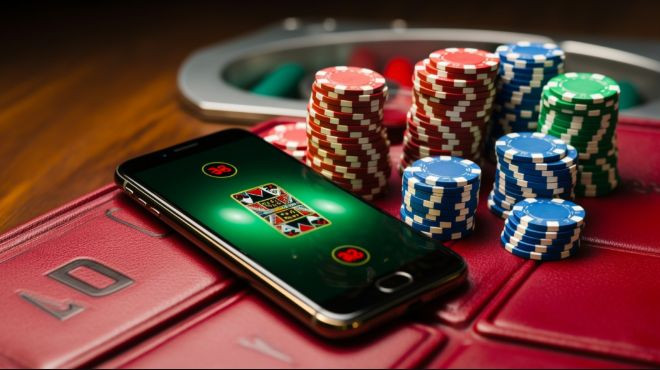
As societies evolved, so did the forms of gambling. The introduction of cards in the 9th century in China and the establishment of lotteries in Europe during the Middle Ages marked significant milestones. Each transformation mirrored the changing social dynamics, illustrating how gambling was not merely a pastime but a reflection of cultural identities and societal changes.
Cultural Differences in Gambling Practices
Cultural perceptions of gambling vary widely around the world, influencing how it is integrated into society. In some cultures, gambling is viewed as a form of social bonding and celebration, while in others, it may be associated with stigma and moral disapproval. For instance, in many Asian countries, traditional gambling games like Mahjong are integral to family gatherings and festivals, showcasing a blend of entertainment and tradition.
Conversely, in some Western societies, gambling is often commercialized, leading to the rise of casinos and online gaming platforms. This commercialization has resulted in diverse regulations and public attitudes towards gambling, demonstrating how cultural contexts shape the way gambling is perceived and practiced.
The Psychological and Social Impacts of Gambling
The psychological aspects of gambling can have profound effects on individuals and communities. While many people engage in gambling for leisure and enjoyment, the potential for addiction and negative consequences is an essential consideration. Understanding these psychological triggers can help mitigate risks and promote responsible gambling practices.
Additionally, gambling can serve as a social activity, fostering connections among players. Community events centered around gambling, such as poker nights or local lotteries, can enhance social interactions and cohesion. However, it is crucial to balance the social benefits with awareness of the risks involved.
Modern Innovations in Gambling
The rise of technology has revolutionized the gambling industry, introducing online casinos and mobile gaming applications that have transformed how people engage with games of chance. These innovations have made gambling more accessible, allowing individuals to participate from the comfort of their homes or on the go.
Moreover, advancements in payment options, including cryptocurrencies, have further expanded the landscape of gambling. This evolution reflects broader societal changes, as individuals seek greater flexibility and privacy in their gaming experiences. The ongoing development of virtual and augmented reality also promises to create immersive gambling environments, reshaping the industry for future generations.

Discovering Responsible Gaming Platforms
For those interested in exploring gambling responsibly, there are various platforms designed to enhance user experience while prioritizing fair play and customer support. These casinos offer a wide range of games and promotions tailored to meet diverse gaming preferences.
In a landscape marked by rapid changes, finding the right platform can be a challenge. However, expert reviews and comprehensive comparisons can guide players in choosing safe and enjoyable environments for their gaming endeavors. It’s essential to focus on platforms that emphasize responsible gambling practices and provide resources for players to manage their gaming habits effectively.


