
Understanding the signs of gambling addiction A comprehensive guide for awareness
What is Gambling Addiction?
Gambling addiction, often referred to as compulsive gambling or gambling disorder, is a behavioral condition where an individual feels an uncontrollable urge to gamble despite the negative consequences. This addiction can affect anyone, regardless of age, gender, or socioeconomic status. It often begins as a casual pastime but can quickly escalate into a serious problem that impacts personal relationships, financial stability, and mental health. Many players are turning to the exciting aviator game online, which is a prime example of how gambling has evolved in the digital age.

The thrill of gambling can create a cycle of addiction, where the individual experiences temporary highs followed by feelings of guilt or remorse. Understanding the nature of this addiction is crucial for early identification and intervention. Awareness of gambling addiction is essential for fostering a supportive environment that can aid recovery.
Recognizing the Warning Signs
Identifying the signs of gambling addiction is the first step towards addressing the issue. Common indicators include an inability to control betting habits, frequent thoughts about gambling, and a growing need to wager larger amounts to achieve the same thrill. These behaviors can often lead to financial difficulties, where individuals might borrow money or sell possessions to fund their gambling.
Additionally, emotional signs such as irritability when not gambling or using gambling as a means to escape stress or anxiety are also significant red flags. Friends and family may notice changes in mood and behavior, including withdrawal from social activities and neglecting responsibilities. Being aware of these signs can help in timely intervention.
The Psychological Impact of Gambling Addiction
The psychological effects of gambling addiction can be profound, leading to issues such as anxiety, depression, and even suicidal thoughts. The constant stress of gambling can take a toll on mental health, making individuals feel trapped in a cycle of despair. The inability to stop gambling can create feelings of shame and isolation, further worsening the situation.
It’s important to recognize that gambling addiction is not merely a lack of willpower. It is a complex mental health issue that requires understanding and compassion. Effective treatment often involves therapy and support groups that focus on addressing the underlying psychological aspects of the addiction.
Seeking Help and Support
If you or someone you know is struggling with gambling addiction, seeking professional help is vital. There are numerous resources available, including therapy, counseling, and support groups that specialize in gambling addiction. These services can provide a safe space for individuals to discuss their experiences and learn coping strategies.
Additionally, self-help techniques, such as setting limits on gambling activities or engaging in alternative hobbies, can also be beneficial. It’s crucial to build a support network that encourages healthy habits and offers accountability. Remember, recovery is a journey, and it’s important to take it one step at a time.
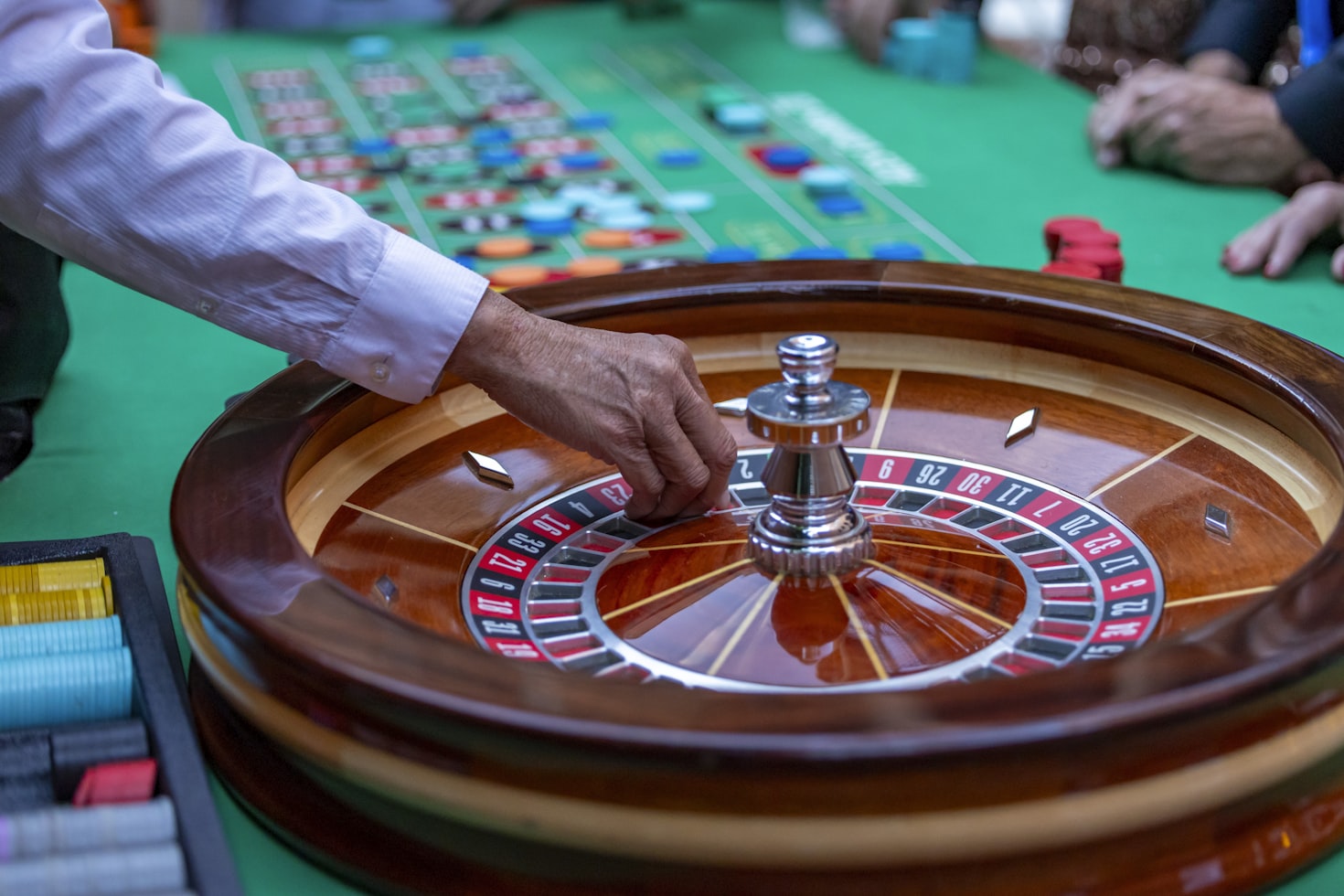
Explore Responsible Gambling Resources
Understanding the signs of gambling addiction is just the first step. It’s equally important to engage with responsible gambling resources to foster a safe and enjoyable gaming environment. Many online platforms provide comprehensive guides and support for individuals who may be at risk of developing gambling problems.
Joining communities focused on responsible gambling can help individuals remain aware of their habits and promote healthy gaming practices. These resources not only offer guidance but also facilitate connections with others who share similar experiences. Emphasizing responsible gambling is essential in creating an environment where individuals can enjoy games without falling into the trap of addiction.


